


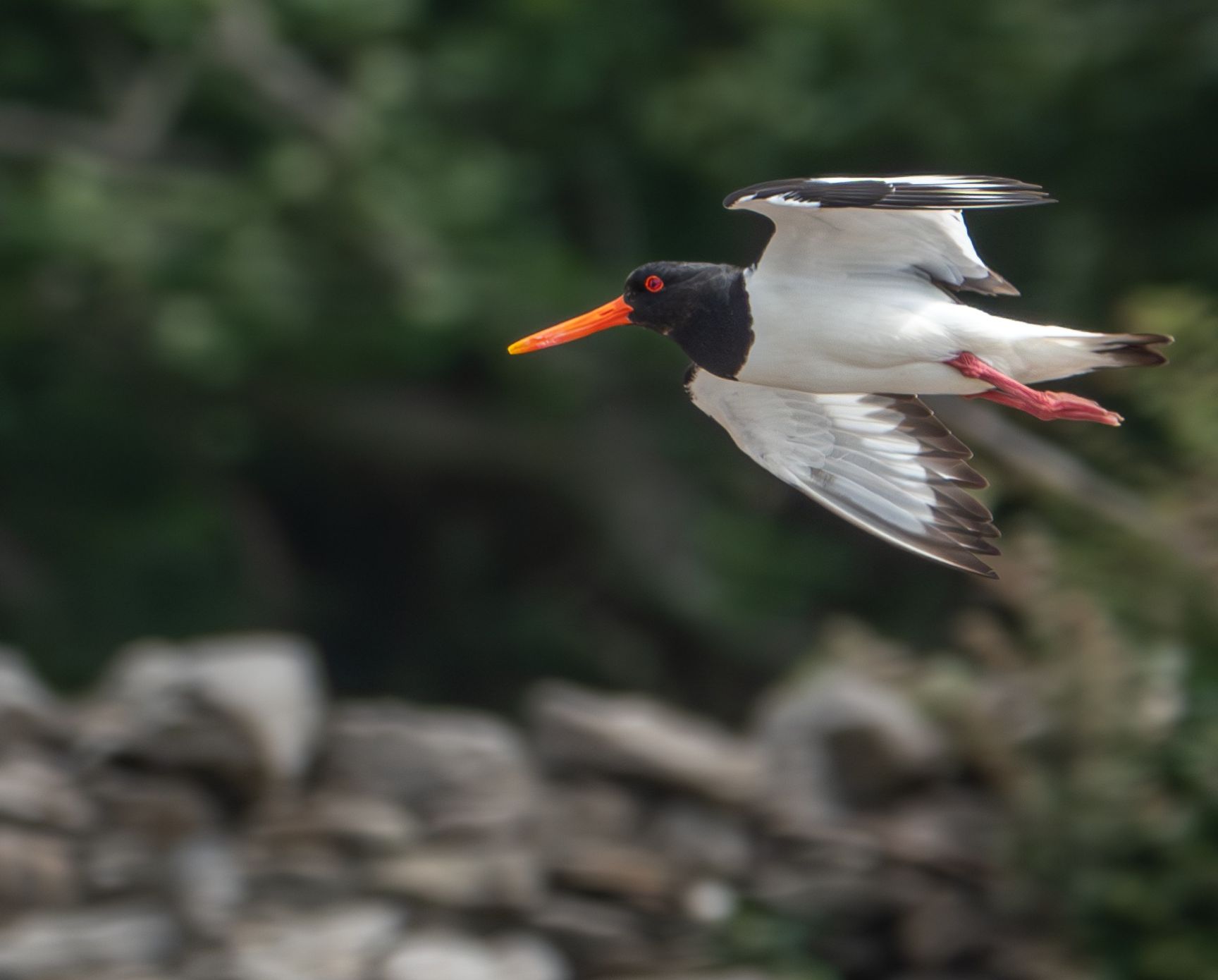
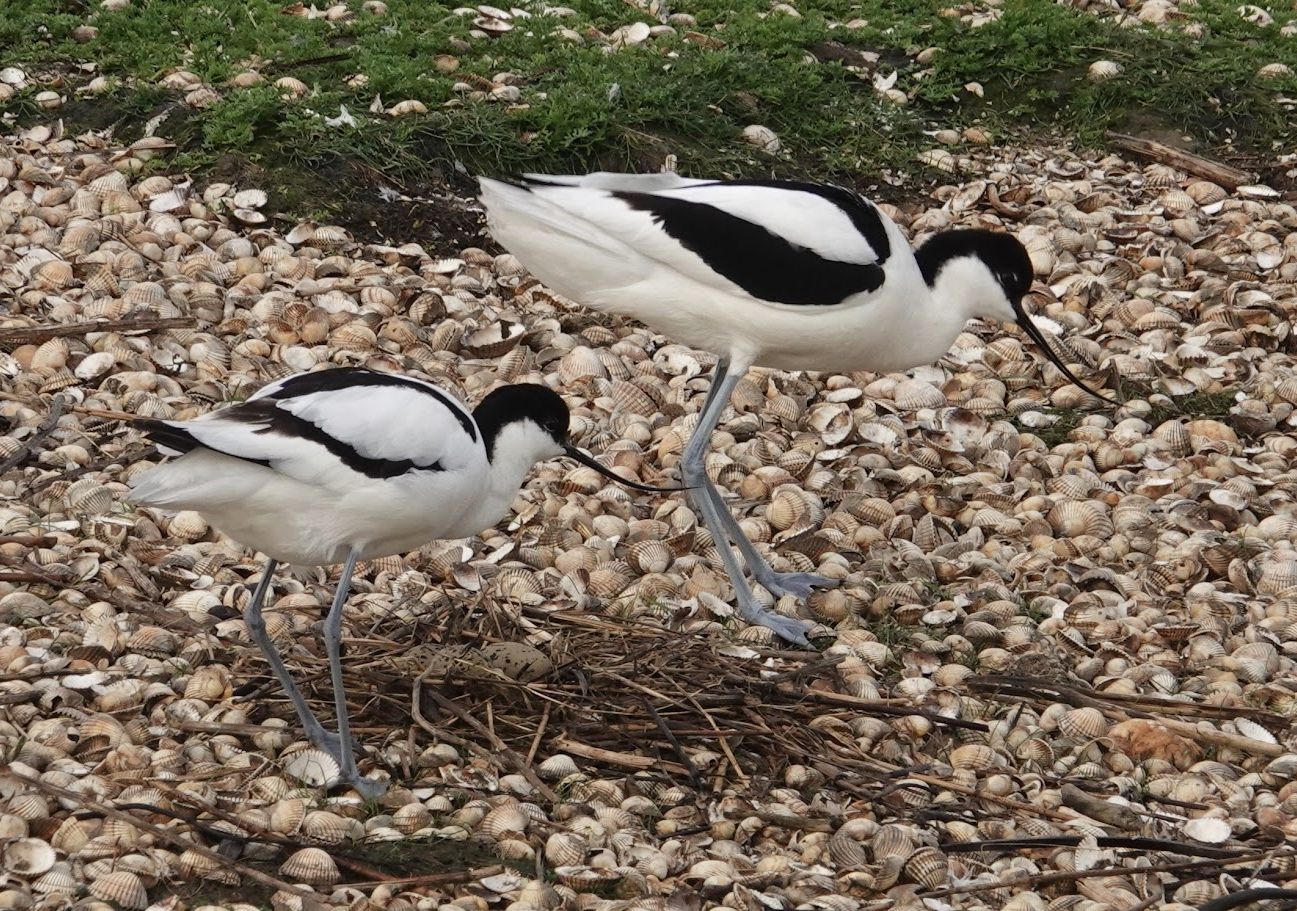
Morecambe Bay is one of the most important sites for wildlife in Europe and is the most important estuary in England for seabirds and waterfowl
The protected sand, mudflats and saltmarsh are internationally and nationally protected and cover an area the size of Manchester.
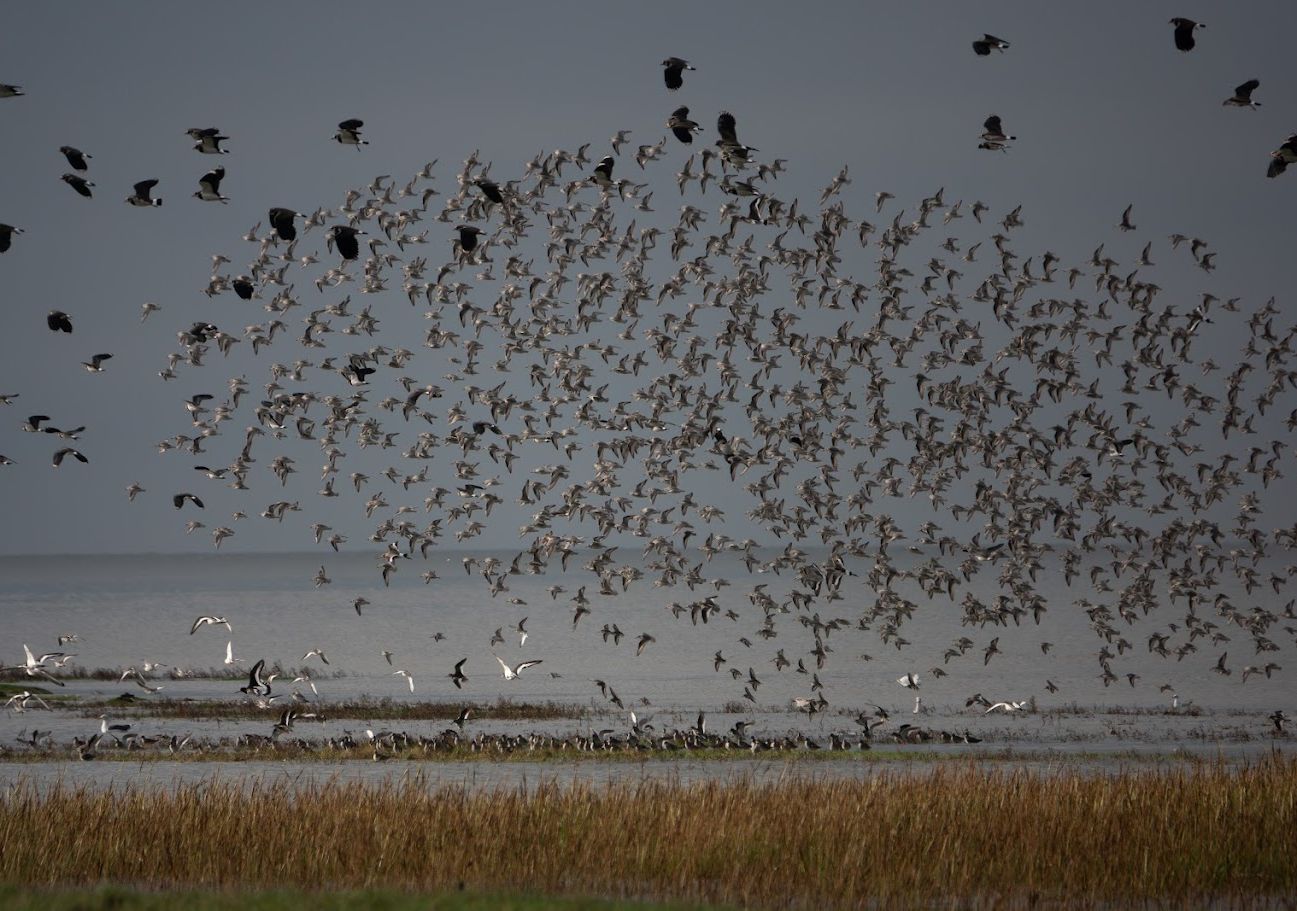
More than a quarter of a million water birds, including breeding and wintering waders and wildfowl, and breeding terns rest, feed and breed here.
Internationally important bird species include pink-footed goose, shelduck, pintail, oystercatcher, lapwing, knot, dunlin, bar-tailed godwit, curlew, redshank, little egret, little tern, turnstone and avocet and the most southerly population of eider in England.
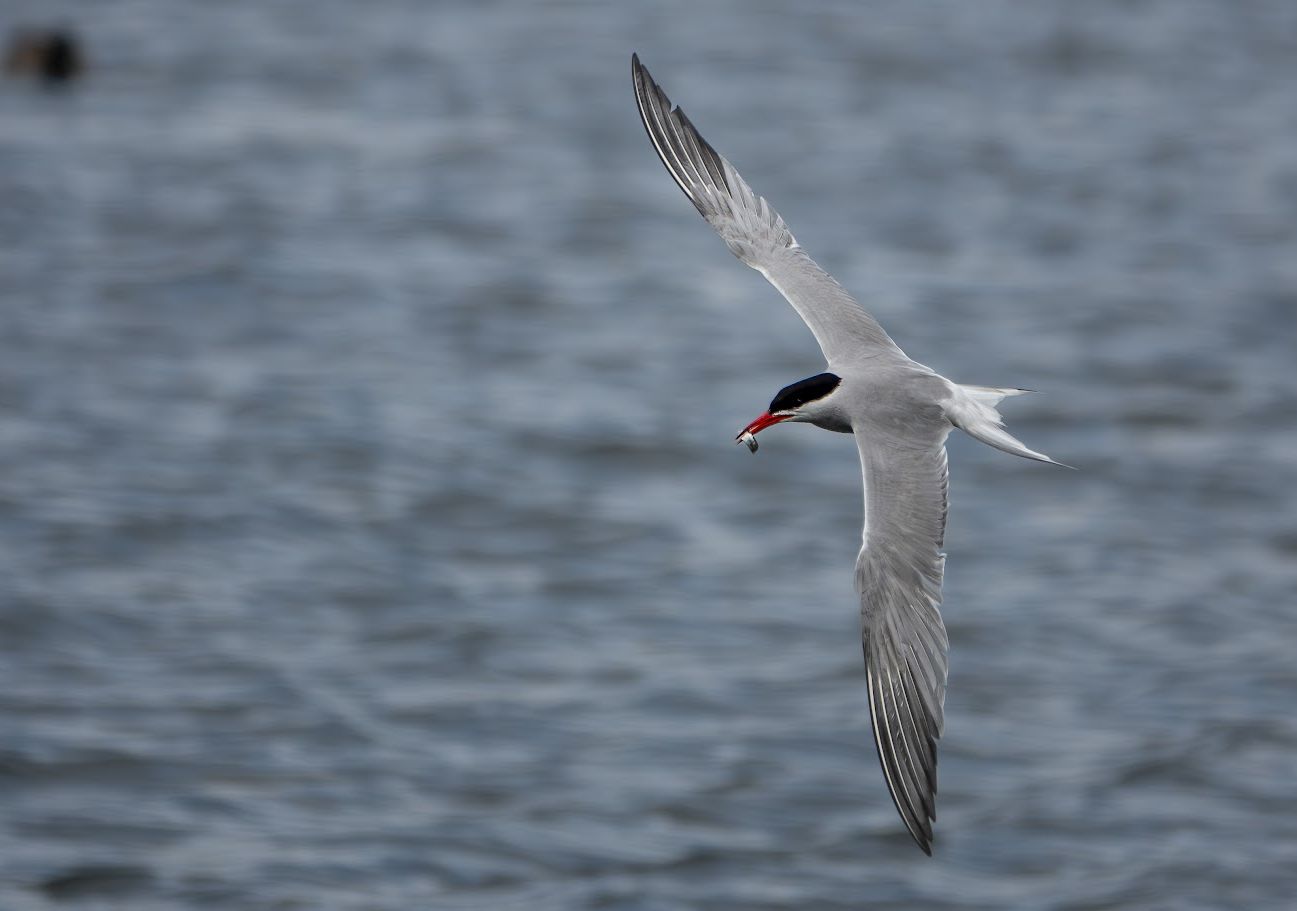
But our birds are under pressure from:
- human disturbance; people and dogs getting too close
- habitat loss; places for them to nest, feed and rest are destroyed
- severe weather events; affect their food supplies and migration patterns
Birds use Morecambe Bay to feed, rest and breed; some live here all year round, others travel thousands of miles to feed in winter
Morecambe Bay Coastal Code
By following some simple advice when walking or carrying out recreational activities on the shoreline, you can help the Birds of the Bay
Read the Coastal Code hereSpecial Protection Area
Spanning almost 669 km2, the Morecambe Bay and Duddon Estuary Special Protection Area (SPA) extends between Rossall Point in Lancashire and Drigg Dunes in Cumbria.
Special Protection Area (SPA)Birds of the Bay Leaflet
Our leaflet will give you handy tips on how to watch & identify birds
Download here